
Mold Testing in Warwick, PA

Find Out What's Growing Before It Spreads

Unbiased mold testing with advanced detection technology—no conflict of interest, just accurate answers about what’s in your home.

Hear from Our Customers

Professional Mold Testing Services

Know Exactly What You're Dealing With

You’re noticing a musty smell in the basement. Or maybe you’re buying a home in Warwick and want to know what’s behind those walls before you sign. Perhaps someone in your family has been dealing with headaches or respiratory issues that won’t quit, and you’re starting to wonder if it’s the house.

Mold doesn’t always announce itself. It grows in wall cavities, under floors, inside HVAC ducts—places you can’t see until the damage is done. By the time it’s visible, you’re often looking at a bigger problem than you needed to face.

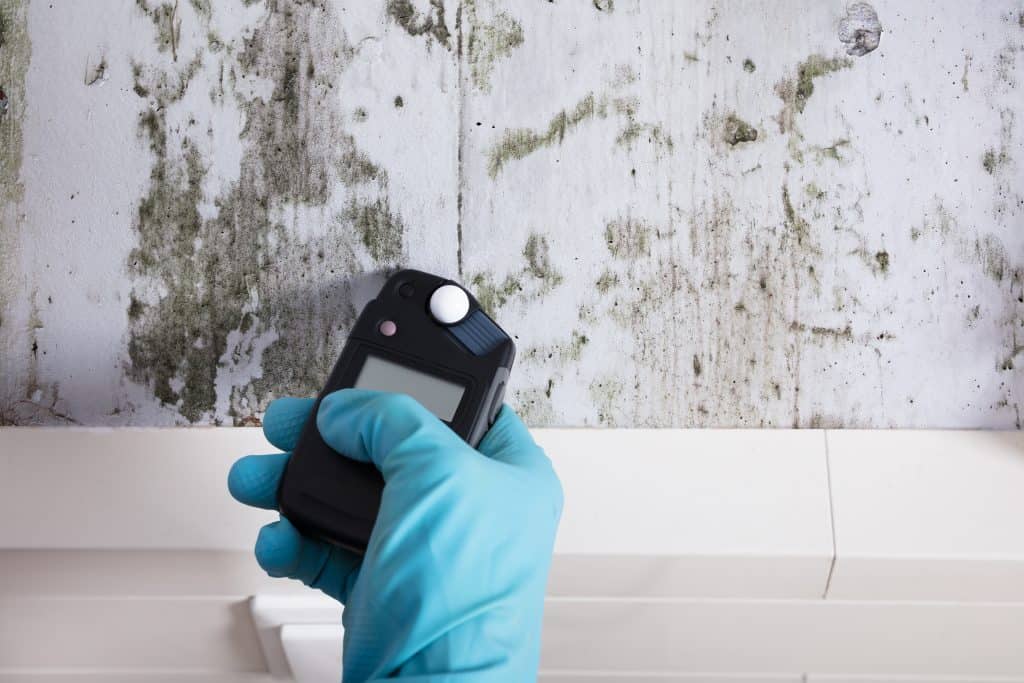
Professional mold testing gives you clarity. We use thermal imaging, moisture mapping, and air quality sampling to detect mold where it hides. You get a full picture of what’s happening in your home—not a sales pitch, not a guess. Just data you can act on, whether that means remediation, monitoring, or peace of mind.

Mold Testing Company Warwick, PA

We Test Mold—We Don't Remove It

That’s the difference. We’ve been testing homes and commercial properties in Warwick, PA and throughout Bucks County since 2014. We’ve completed over 4,000 inspections, and we don’t do remediation work. That means when we test your property, we’re not trying to upsell you on removal services.

Pennsylvania is one of the few states moving toward regulations that separate testing from remediation, and we’ve operated that way from the start. You get unbiased results, clear reporting, and recommendations based on what’s actually there—not what would make us the most money.

Warwick’s older homes and humid summers create the perfect conditions for mold growth. We know the basements, the attics, the crawl spaces. We know what to look for and where to find it.

Our Mold Inspection Process

Here's What Happens During Your Inspection

We start with a walkthrough. You show us the areas of concern, we ask questions about water damage history, HVAC systems, and any symptoms you’ve noticed. Then we get to work.

We use thermal imaging to detect moisture behind walls and ceilings—moisture you can’t see but that mold loves. We take air samples to measure spore concentrations in different rooms. If there’s visible growth or suspicious staining, we collect surface samples to identify the mold type. The equipment matters here: infrared cameras, HEPA-filtered air sampling pumps, moisture meters that read below the surface.

Once we’ve gathered the data, samples go to a certified lab for analysis. You receive a detailed report with images, lab results, and our assessment of what’s happening in your home. We’ll walk you through the findings and explain what they mean for your health, your property, and your next steps. If remediation is needed, we’ll tell you what to look for in a removal company—but we won’t be the ones bidding on the job.

Ready to get started?

Explore More Services

About Mack's Mold Removal

Residential Mold Testing Warwick

What's Included in a Mold Test

Every mold inspection includes air quality testing, surface sampling where needed, thermal imaging, and moisture detection. We check the spaces where mold thrives in Warwick homes: basements with poor drainage, attics with ventilation issues, bathrooms without proper exhaust, and crawl spaces that stay damp year-round.

Pennsylvania’s climate makes mold prevention tricky. Summer humidity regularly hits levels where moisture doesn’t evaporate quickly, especially in spaces with limited airflow. Add in the 5-10% increase in precipitation the state has seen in recent years, and you’ve got conditions that support mold growth even without a major leak. That’s why testing matters—you’re not just looking for visible mold, you’re measuring what’s in the air and what’s building up in hidden areas.

You’ll get a written report with lab-certified results, photos of the inspection, and a summary that explains contamination levels, mold types identified, and whether concentrations exceed safe thresholds. If you’re dealing with an insurance claim or a real estate transaction, the documentation is thorough enough to support your case.

How do I know if I need a professional mold test or just a home kit?

Home kits can tell you if mold is present, but they won’t tell you how much, what type, or where it’s coming from. They’re surface-level at best.

If you’re experiencing health symptoms, buying or selling a home, or dealing with a known water issue, a professional mold inspection gives you the full picture. We test air quality in multiple rooms, check moisture levels inside walls, and use thermal imaging to find hidden growth. Lab analysis identifies specific mold species, including black mold, and measures spore concentrations against safety thresholds.

A home kit might confirm suspicions. A professional test tells you what to do about it.

Mold inspection is the physical walkthrough—looking for visible growth, checking moisture levels, identifying risk areas. Mold testing is the lab work—air samples, surface samples, and analysis that tells you what types of mold are present and at what concentrations.

Most professional services combine both. We inspect your property to locate problem areas, then test to quantify what’s there. You need both to make informed decisions. Inspection without testing is guesswork. Testing without inspection misses the context.

If you’re dealing with health concerns or hidden mold, testing is essential. If you just want to assess risk or verify that remediation worked, inspection plus targeted testing gives you confidence in the results.

The on-site inspection typically takes one to two hours, depending on the size of your home and the number of areas we’re testing. We’re thorough, but we’re not going to waste your time.

Lab results usually come back within three to five business days. Once we have them, we’ll walk you through the findings and explain what they mean for your next steps. If you’re in a time-sensitive situation—like a real estate closing or an insurance claim—let us know upfront. We can often expedite lab processing.

You’ll receive a detailed report with photos, lab data, and our professional assessment. No jargon, no runaround—just clear information you can use to make decisions about your property.

Absolutely. Mold doesn’t need a flood or a burst pipe—it just needs moisture and time.

In Warwick, summer humidity alone can create conditions for mold growth, especially in attics with poor ventilation or basements with inadequate airflow. Condensation from temperature changes, slow plumbing leaks you haven’t noticed, or even high indoor humidity from everyday activities like cooking and showering can provide enough moisture for mold to establish itself.

Pennsylvania’s climate is particularly challenging. Warm, humid summers and cold, wet winters create constant fluctuations that lead to condensation inside walls and attics. If those areas don’t dry out within 24 to 48 hours, mold starts growing. You won’t see it, but it’s there—and it’s affecting your indoor air quality.

Professional mold testing is non-invasive and doesn’t disturb growth in a way that causes spread. We’re collecting samples, not tearing into walls or scraping large areas.

Air sampling captures spores that are already circulating in your home. Surface sampling involves small swabs or tape lifts from suspected areas—minimal contact, no demolition. Thermal imaging and moisture detection don’t touch anything at all.

The risk of spread comes during remediation, not testing. That’s when containment, negative air pressure, and proper removal techniques matter. Testing simply tells you what’s there so you can address it correctly. If we find significant contamination, we’ll advise you on how to limit exposure until remediation happens—but the testing itself isn’t going to make your situation worse.

If the home is older, has a basement or crawl space, or shows any signs of past water issues, yes—you should test before you buy.

Mold problems aren’t always disclosed, and they’re not always visible during a standard home inspection. Warwick has plenty of older properties where basements stay damp, attics lack proper ventilation, and minor water issues have gone unnoticed for years. By the time mold becomes obvious, it’s often a costly problem.

A pre-purchase mold test protects your investment. You’ll know what you’re walking into, and you’ll have documentation to negotiate repairs or price adjustments if contamination is found. It’s a few hundred dollars now versus thousands in remediation later—and it gives you leverage before you sign.

Other Services we provide in Warwick